
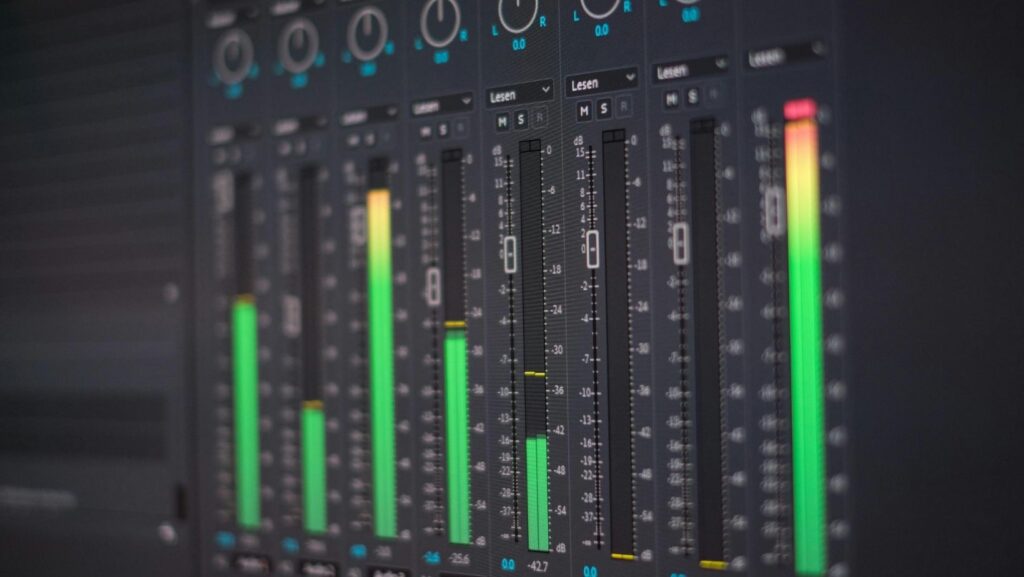
Modern music production often expands beyond traditional instruments because producers now combine synthesizers, field recordings, and atmospheric layers to create compositions that feel larger than the individual parts of the arrangement. Sustained tonal textures allow producers to shape the emotional direction of a track while maintaining a stable foundation underneath melodies, harmonies, and rhythmic elements.
Many composers working in cinematic music, ambient production, and hybrid electronic genres rely on long evolving tones because these layers provide depth that traditional instruments alone cannot always achieve. A carefully designed drone can hold the harmonic center of a track while subtle textures slowly move beneath the surface, giving the composition a sense of space and continuity.
Atmospheric Layers In Modern Composition
Producers often build these atmospheric foundations using drones sound effects because these sounds provide sustained tonal textures that support the structure of a composition without competing with melodic instruments. A deep drone can sit underneath a piano progression, reinforce the tension of a cinematic cue, or maintain the tonal center of a track while other instruments evolve around it.
These sounds remain useful in many styles of music because they create a sense of space that connects individual elements inside the mix. When layered carefully with synthesizers or orchestral instruments, a drone can provide the underlying tone that allows the rest of the arrangement to develop naturally without leaving the composition feeling empty.
Shaping Movement With Evolving Drone Textures
Drone layers rarely remain static inside a professional production because subtle motion within the sound helps maintain interest across longer passages of music. Producers frequently combine multiple textures that evolve slowly over time, which allows the drone to feel alive without drawing attention away from the primary musical elements.
Careful layering can introduce gradual tonal shifts that follow the emotional direction of a track, which is especially useful in film scoring and ambient music where long passages often rely on atmosphere rather than rhythmic movement. Slight changes in filtering, texture, or harmonic color can transform a simple drone into a foundation that supports an entire section of music.
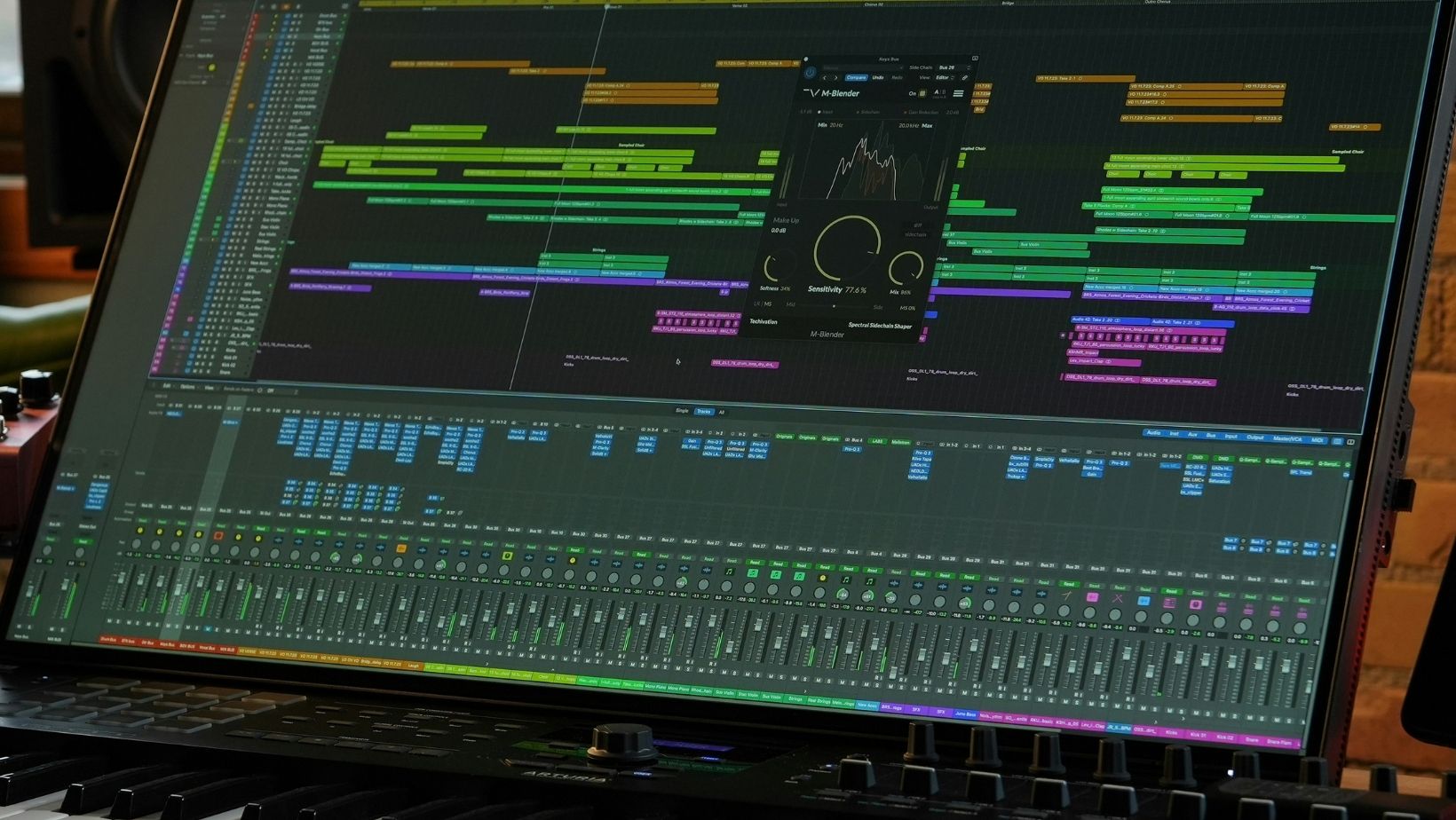
Producers sometimes expand these textures by integrating curated resources such as a sound effects library that contains professionally designed sound elements ready for use in different production environments. Access to well organized sound libraries allows composers to experiment with different tonal layers without interrupting the creative flow of a writing session.
Production Situations Where Drones Support The Arrangement
Drone layers can serve several practical roles inside a composition because their sustained character allows them to reinforce the structure of a track while leaving room for other musical elements. Many producers rely on drones during moments where the arrangement needs atmosphere, tension, or a stable tonal foundation.
Common situations where drone layers strengthen a production include:
- Supporting cinematic intros that introduce the tonal direction of a composition
- Extending breakdown sections where rhythmic elements drop out temporarily
- Reinforcing tonal centers during ambient passages or instrumental bridges
- Creating tension before a transition into a larger arrangement section
- Adding depth to hybrid orchestral productions that combine electronic and acoustic instruments
Producers who experiment with layered textures often discover that carefully designed drone sounds help maintain continuity inside complex arrangements while allowing other instruments to remain the focus of the composition. Resources such as the curated collections from Ocular can provide useful starting points for these atmospheric layers because they offer professionally designed sounds that integrate easily into modern production workflows. When used thoughtfully, drone textures become a quiet but powerful part of the musical structure, reinforcing tension, atmosphere, and depth without ever taking attention away from the composition itself.